Dry Eye Evaluation
Assessment for burning, watering, grittiness or tired eyes. Tear film assessment by qualified optometry professionals.
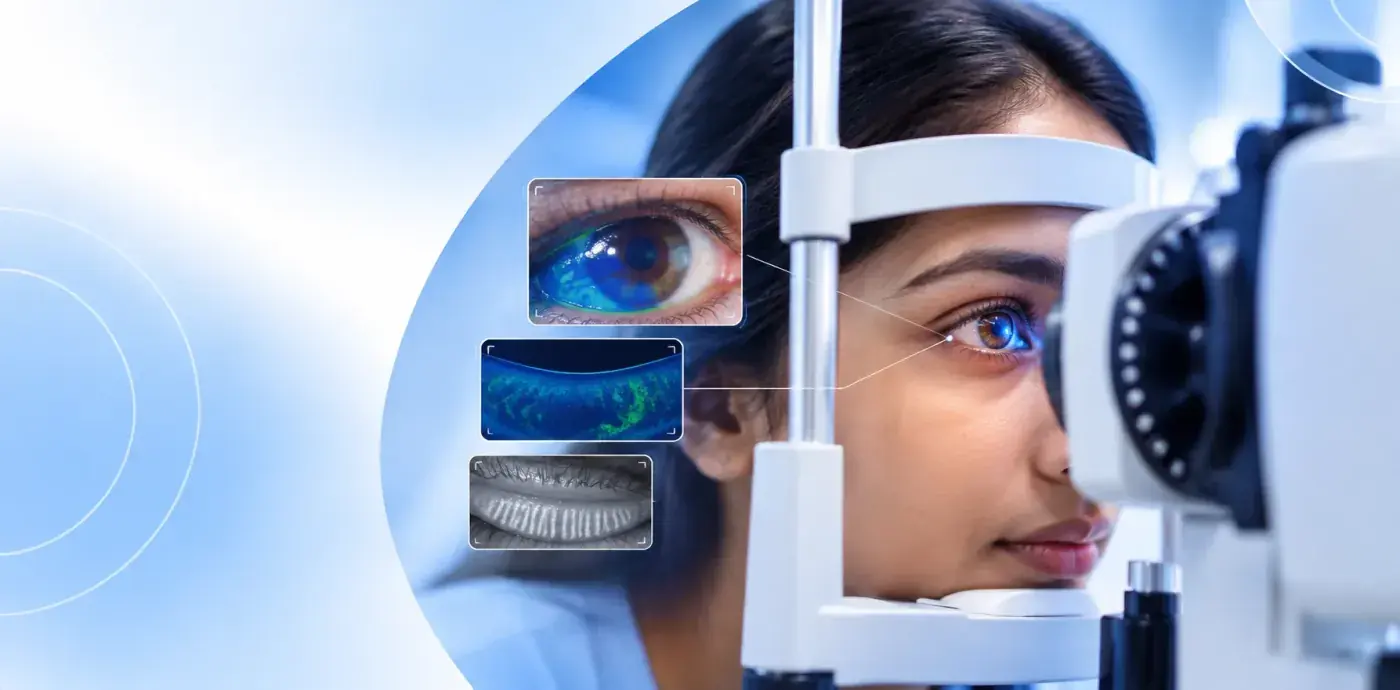
Watering eyes are often dry eyes.
Dry eye is common among people who work long hours on screens, in air-conditioned rooms or in dusty conditions. Watering eyes are often a sign of dryness rather than excess tears.
The evaluation includes tear volume testing and tear gland evaluation, to establish whether too little tear film or poor drainage is causing the symptoms.
Your examination, step by step.
- 01HistorySymptoms and working conditions.
- 02Vision & refractionPower measured at distance and near.
- 03Slit lamp evaluationExamination of the tear film.
- 04Tear volume testHow much tear film is produced.
- 05Tear gland evaluationOil and tear-producing glands of the eyelids examined.
- 06AdviceTreatment and lens recommendation.
- 07CounsellingConsultation with eye doctor if necessary.

Eye care, wherever you are.
We visit elderly people and persons with disabilities at home to carry out eye examinations. Call or message us to arrange a visit, or see our Geriatric Eye Care service.
Arrange a home visitFrequently asked questions
When the surface of the eye is dry and irritated, the eye can produce a rush of watery tears in response. These tears do not lubricate well, so the eyes still feel dry and uncomfortable.
Yes. We blink less when looking at screens, which lets tears evaporate. Regular breaks, good lighting and correct glasses can help.
The optometrist advises on suitable lubricating drops after the tests. Any case that needs medical treatment is referred to an eye doctor.
It varies. Dry eye linked to screens or the environment often improves with better habits and the right drops, while long-standing cases need regular follow-up. The optometrist will tell you what to expect after the tests.


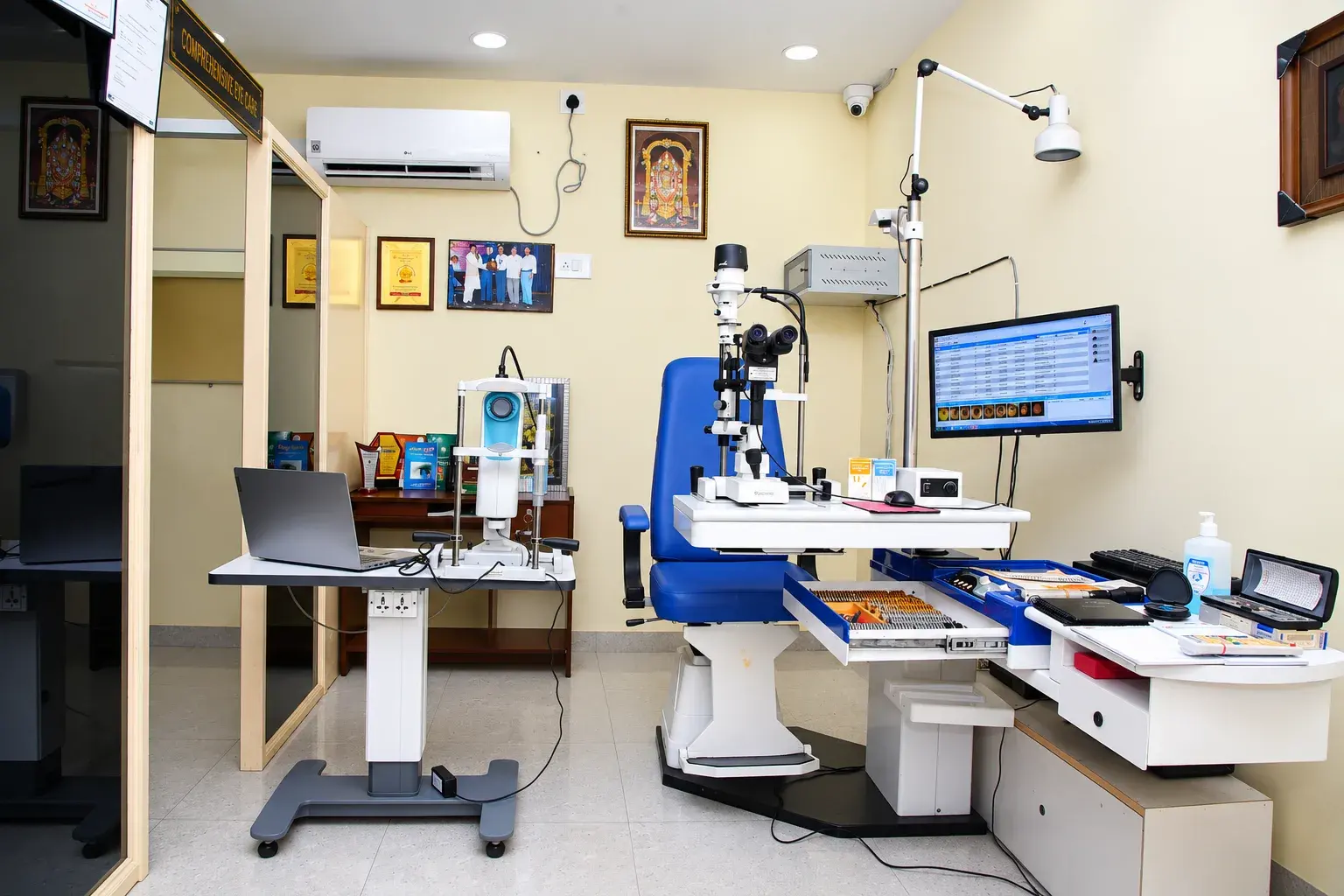
Eyes burning or watering?
Walk in for a dry eye evaluation with our optometry team.